Green Growth: Enhancing Your Landscape with Sustainable Practices Mar 06, 2026
Start by examining the current layout of your garden or yard. Consider utilizing native plants, as they are naturally adapted to the local climate and soil conditions. This reduces the need for excessive water and chemical fertilizers while supporting local wildlife. Native plants are not only resilient and low-maintenance but can also provide year-round color and interest to your landscape.
Water conservation is another critical aspect of sustainable landscaping. Implementing a drip irrigation system can drastically reduce water usage by delivering water directly to the plant roots. Additionally, consider collecting rainwater by installing rain barrels under your downspouts. Not only does this provide free water for your plants, but it also reduces runoff, which can carry pollutants into water bodies.
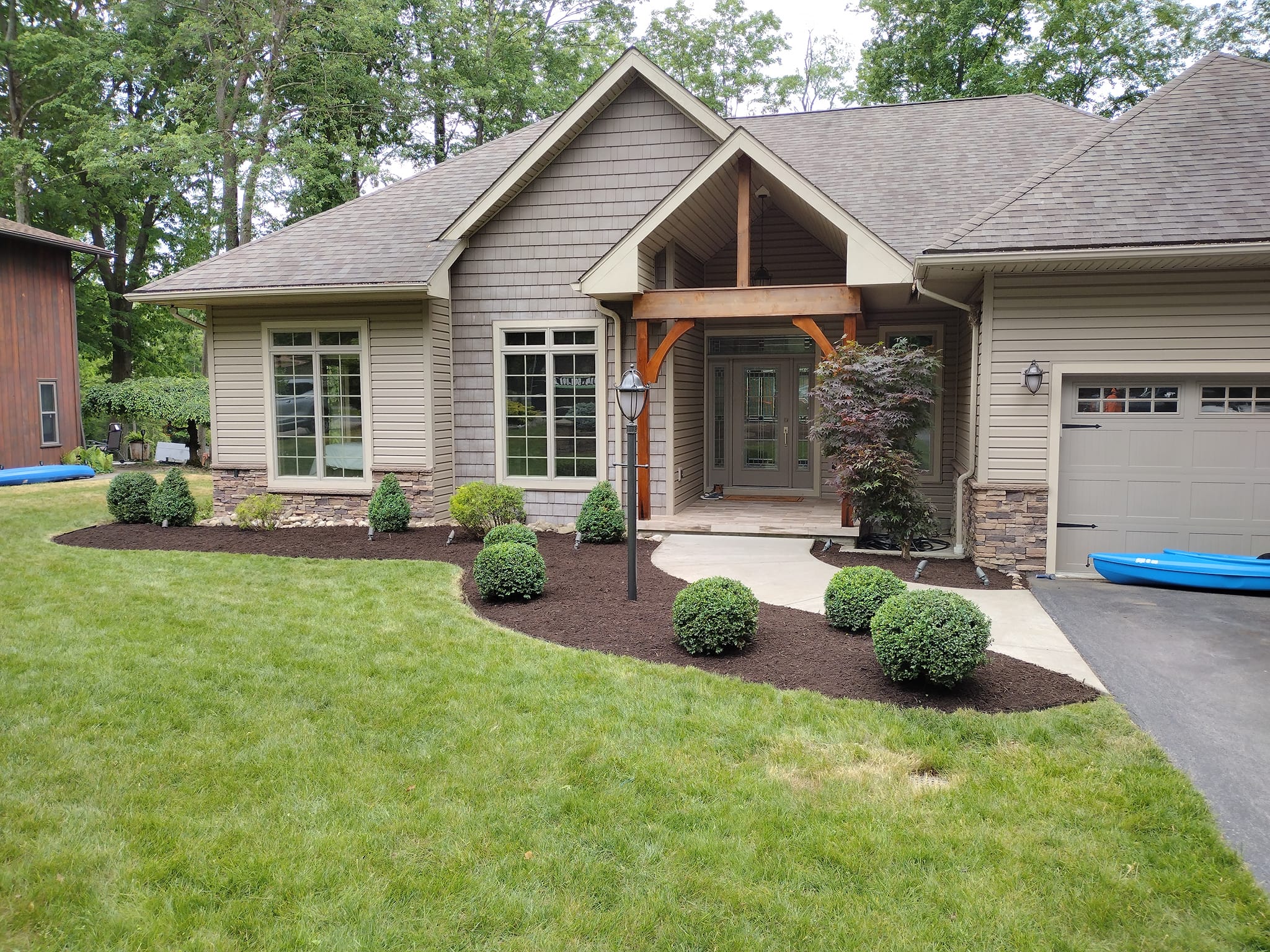
Mulching is an often overlooked but powerful tool in sustainable landscaping. Organic mulches, such as bark or wood chips, help retain soil moisture, reduce weeds, and gradually release nutrients into the soil as they decompose. This simple practice can reduce the need for synthetic fertilizers and pesticides.
For those looking to enhance the hardscaping aspects of their yard, consider using permeable pavers. Unlike traditional concrete or asphalt, permeable materials allow water to seep through, reducing runoff and promoting groundwater recharge. These options can be both eco-friendly and visually appealing, fitting seamlessly into driveways, walkways, and patios.
Beyond individual plant choices and water-conserving techniques, adopting a holistic approach to garden design can yield significant benefits. Integrated pest management, for instance, encourages the use of natural predators and organic solutions to control pests, minimizing reliance on chemical interventions. Encourage beneficial insects like ladybugs by planting a variety of flowers, which will help maintain a natural balance in your garden.
An often underestimated element of sustainable landscaping is soil health. Practicing no-till gardening protects soil structure and resident microorganisms, vital for plant health. You can also enhance soil fertility by incorporating compost, which not only recycles organic waste but also boosts the nutritional content of the soil.
As you embark on this green journey, it's essential to monitor and adapt your practices based on the specifics of your environment. Keeping a garden journal can be a valuable tool, allowing you to record what works, track seasonal changes, and refine your approach over time.
In conclusion, sustainable landscaping is not just a trend; it's a conscientious path towards preserving our planet while enjoying the beauty of nature at home. By integrating these practices, you contribute to the environment and transform your yard into a vibrant, eco-friendly oasis. Watson Lawncare & Snow Removal is here to support and guide you through this process, turning your landscape into not just a piece of land, but a living extension of your values and aspirations. Join us in making the world a greener, more beautiful place, one yard at a time.
/filters:no_upscale()/filters:format(webp)/media/931180d9-59fd-4a3d-9f52-9d9c4ba4f472.jpg)
/filters:no_upscale()/filters:format(webp)/media/24e3fa5c-5574-4371-a07e-4a2f2a58a525.jpg)